
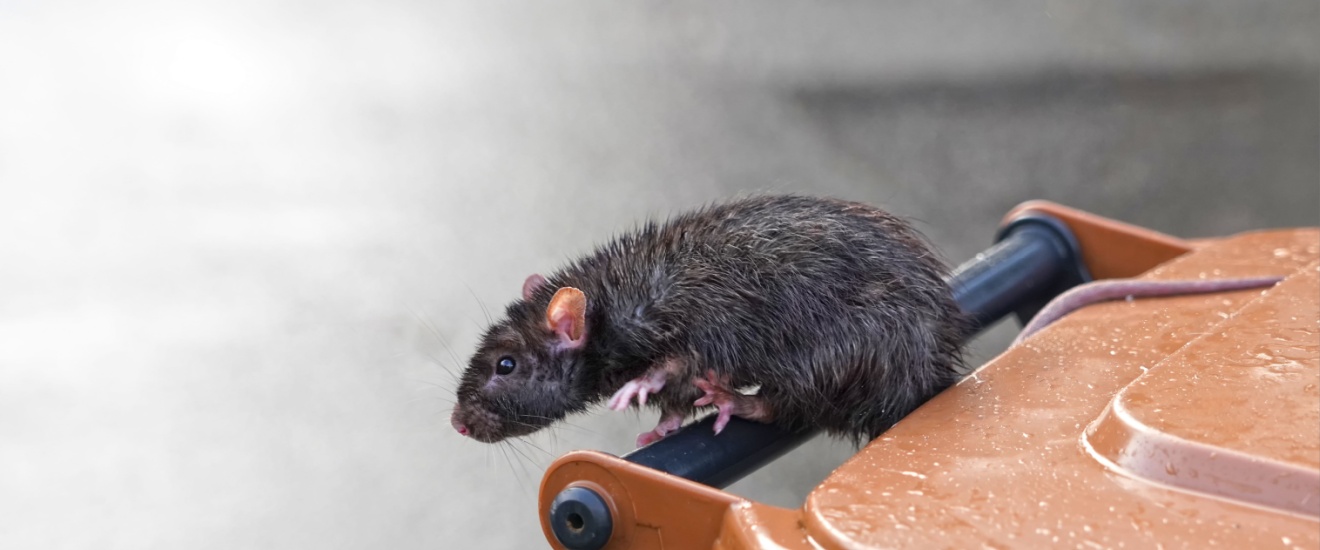
Central Valley garages and sheds face exceptional rodent pressure that often goes unnoticed until infestations become severe. Understanding why these structures are so attractive to rodents—and the specific conditions in Fresno that intensify the problem—helps you protect these vulnerable areas.
Temperature Refuge from Extreme Heat
Fresno’s summer temperatures regularly exceed 100°F, creating conditions that stress even heat-adapted rodents. Your garage and shed offer crucial temperature moderation that makes them irresistible during the intense Central Valley heat.
Garages stay significantly cooler than outdoor temperatures, especially those attached to air-conditioned homes. Even detached garages and sheds provide shade and protection from direct sun exposure. The temperature differential between a 110°F afternoon and your 85°F garage represents life-or-death comfort for rodents seeking relief.
This temperature advantage isn’t limited to summer. During Fresno’s occasional winter freezes, enclosed structures provide warmth and wind protection that outdoor locations lack. Year-round temperature moderation makes garages and sheds consistently attractive.
Food Sources Are Common
Many homeowners don’t realize how much rodent food they store in garages and sheds:
Pet Food Storage
Bags of dog and cat food kept in garages provide high-calorie nutrition rodents love. Even sealed bags can be gnawed open, while bags with folded tops offer easy access.
Birdseed and Wildlife Feed
Birdseed, corn for wildlife feeders, and similar products are essentially rodent food when stored in garages or sheds. These items often come in paper bags that rodents easily penetrate.
Garden Seeds and Bulbs
Leftover vegetable and flower seeds stored for next season attract rodents. Bulbs planted in fall and stored through summer are particularly appealing.
Livestock and Poultry Feed
Properties with chickens, rabbits, or other small livestock often store feed in garages or sheds. These high-quality feeds attract rodent infestations that can become severe.
Chemical Fertilizers and Treatments
Some fertilizers contain organic components attractive to rodents, particularly those based on blood meal, bone meal, or fish emulsion.
Water Availability
Garages attached to homes often have water access through:
- Washing machine connections
- Utility sinks
- Water heaters with drip pans
- Condensation from HVAC equipment
- Leaking pipes or fittings
Sheds may accumulate water from:
- Roof leaks during rare Fresno rains
- Condensation on metal surfaces during cooler nights
- Water tracking in from gardening activities
- Stored plant saucers with standing water
Even small water sources sustain rodent populations, especially during Fresno’s dry summers when outdoor water becomes scarce.
Easy Access Points
Garages and sheds typically have more entry points than main homes and receive less maintenance attention:
Garage Door Gaps
The large opening of garage doors creates multiple vulnerable points. Bottom seals wear quickly from repeated operation. Side and top weatherstripping tears or shrinks. Gaps between door panels widen over time.
Less Secure Construction
Sheds often have simpler construction than main homes with:
- Thinner walls easier for rodents to gnaw through
- Simpler foundations with more gaps
- Less attention to sealing during construction
- Deteriorated materials from weather exposure
Connection to Main House
Attached garages provide rodents with protected pathways to your main living spaces. Once established in your garage, rodents can access your home through:
- Gaps around the door between garage and house
- Utility penetrations through shared walls
- Wall voids connecting garage to interior spaces
- Attic access from garage ceiling areas
A garage infestation often becomes a house infestation without homeowners realizing rodents entered through the garage first.
Effective Protection Strategies
Implement Better Storage
- Store pet food, birdseed, and fertilizers in metal containers with tight lids
- Elevate stored items on shelves or pallets at least 18 inches off the floor
- Use sealed plastic bins instead of cardboard boxes
- Organize storage to allow regular inspection behind and between items
- Minimize overall clutter
Seal Entry Points
- Replace worn garage door seals annually or more frequently if damaged
- Install door sweeps on personnel doors
- Seal gaps around utility penetrations
- Repair holes in walls or foundations promptly
- Screen windows and vents with quarter-inch or smaller mesh
Reduce Attractants
- Clean up spilled pet food, birdseed, and fertilizers immediately
- Don’t leave garbage in garages or sheds overnight
- Fix water leaks promptly
- Remove standing water from plant saucers and equipment
- Sweep regularly to remove food debris
Regular Inspections
Walk through garages and sheds weekly looking for:
- Droppings in corners or on shelves
- Gnaw marks on stored items
- Nesting materials pulled from storage
- Grease marks along walls or shelves
- Unexplained odors
Monthly inspections may miss the early stages when intervention is easiest.
Professional Monitoring
Given the vulnerability of garages and sheds, professional pest control monitoring catches problems before they escalate. Technicians place monitoring devices in strategic locations, check for early warning signs, and address vulnerabilities during regular service visits.
Don’t let your Fresno garage or shed become rodent headquarters. Contact Pestman Termite and Pest Control for comprehensive property protection that includes these often-overlooked structures.