
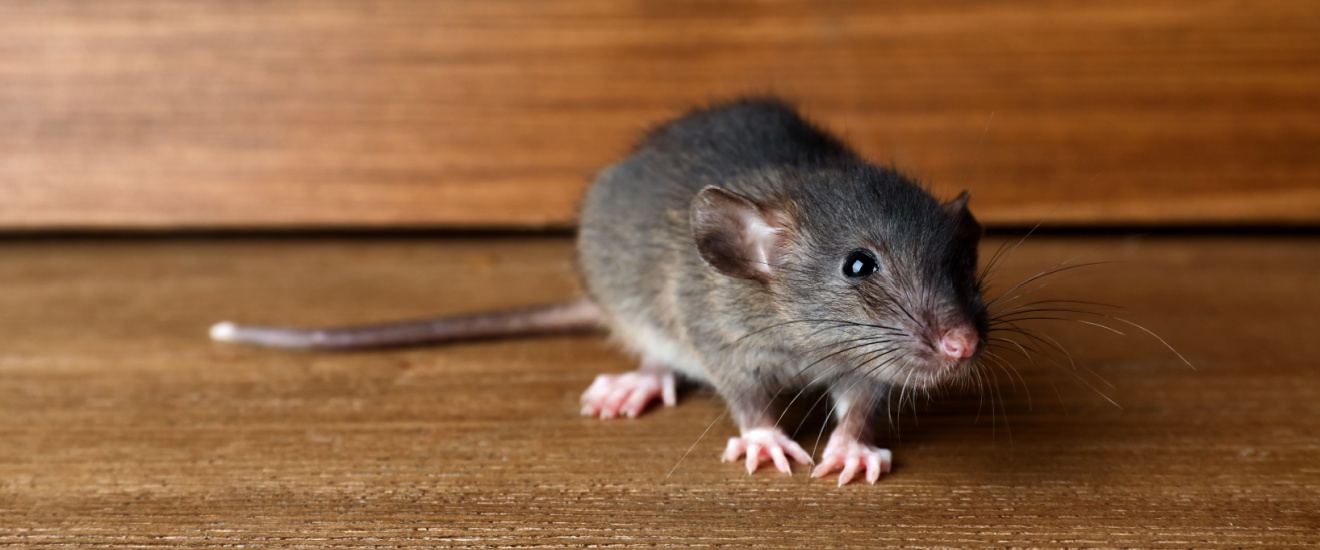
Understanding how rodents access your Fresno home is essential for effective prevention. These persistent pests exploit numerous vulnerabilities in residential construction, and knowing where to look helps you seal entry points before infestations develop.
Foundation and Ground-Level Vulnerabilities
Weep Holes in Brick Veneer
Homes with brick exteriors feature weep holes at the foundation level designed to allow moisture drainage. These openings, typically spaced every few feet, provide perfect rodent entry points. Mice easily squeeze through standard weep holes, while rats can enter larger or damaged ones.
Solution: Install stainless steel mesh weep hole covers that allow drainage while blocking rodent access. Check these covers regularly as they can corrode or become dislodged.
Foundation Cracks and Gaps
Fresno’s clay soil expands and contracts with moisture changes, creating foundation movement that leads to cracks. Even hairline cracks can widen over time, and rodents will gnaw small cracks to enlarge them.
Walk your foundation perimeter looking for:
- Cracks in concrete or stucco
- Gaps where foundation meets siding
- Separation at foundation corners
- Erosion creating gaps under the foundation edge
Seal cracks with concrete patching compound and use metal mesh with mortar for larger gaps.
Crawl Space Vents
Older Fresno homes often have crawl spaces with ventilation openings. Original metal screens deteriorate over time, rust through, or get damaged by weather and landscape equipment. Missing or damaged screens allow easy rodent access.
Inspect every crawl space vent quarterly. Replace damaged screens with heavy-duty galvanized or stainless steel mesh (quarter-inch or smaller openings). Ensure screens are securely attached with no gaps around edges.
Utility Penetrations: Prime Entry Routes
Where Pipes Enter
Plumbing, gas lines, electrical conduits, and cable lines all penetrate your home’s exterior. These penetrations often have gaps larger than necessary for the utility itself. Even small gaps provide rodent access.
Check these common penetration points:
- Under kitchen and bathroom sinks where pipes enter from outside
- Where main water line enters your home
- Gas line entry points near your meter
- Electrical service entrance
- Cable and phone line entries
- Outdoor faucet connections
Fill gaps around utilities with copper mesh or stainless steel wool (never regular steel wool, which rusts) followed by expanding foam or mortar. The metal prevents gnawing through, while the filler seals the space.
Air Conditioning Line Penetrations
AC refrigerant lines run from outdoor condensers through your wall into the interior. These installations often leave significant gaps that contractors filled with inadequate materials or that have deteriorated over time.
Inspect where AC lines penetrate walls and seal thoroughly. This is particularly important in Fresno where nearly every home has air conditioning.
Dryer Vents
Exterior dryer vents are specifically designed with flaps that rodents can easily push open from outside. The warm, lint-filled environment inside dryer ducts attracts nesting rodents.
Replace flap-style dryer vents with caged models that include rodent-proof screening. Clean dryer vents regularly to remove lint buildup that makes them even more attractive to rodents.
Roof and Upper-Level Access Points
Roof-to-Wall Junctions
Where your roof meets vertical walls (like second story walls or dormers), flashing seals the junction. Damaged, missing, or improperly installed flashing creates gaps that roof rats exploit. Fresno’s temperature extremes cause expansion and contraction that can loosen flashing over time.
Annual roof inspections should include careful examination of all flashing for gaps, separation, or damage.
Gable Vents
Triangular gable vents at roof peaks provide attic ventilation but often lack adequate screening. Original screens may be missing entirely or have large openings that don’t exclude rodents.
Verify that gable vents have secure quarter-inch or smaller mesh screening. Replace deteriorated screens and ensure they’re firmly attached with no gaps at edges.
Soffit and Eave Gaps
Soffits (the underside of roof overhangs) meet fascia boards and house walls at joints that can separate. These gaps may be nearly invisible from ground level but provide direct attic access for climbing rodents.
Use binoculars to inspect soffit-to-wall and soffit-to-fascia junctions from the ground. Look for separation, damage, or gaps. Professional inspection may be necessary to reach and seal these elevated areas safely.
Turbine and Ridge Vents
Roof ventilation systems including turbine vents (spinning roof vents) and ridge vents sometimes have gaps rodents exploit. Turbines may have damaged bases, while ridge vents can have inadequate screening or gaps at ends.
Ensure all roof ventilation systems are intact, properly screened, and sealed at attachment points.
Door and Window Vulnerabilities
Gap Under Entry Doors
Most exterior doors have gaps underneath to clear thresholds and allow door swing. Gaps larger than a quarter-inch allow rodent entry, especially when door sweeps are missing, damaged, or improperly installed.
Install heavy-duty door sweeps on all exterior doors. Choose sweeps that contact the threshold fully across the door width without gaps at corners.
Garage Doors
Garage doors present multiple rodent entry opportunities. Bottom seals wear out from repeated door operation and weather exposure. Side and top seals can shrink, crack, or tear. Gaps between door sections widen as hardware loosens.
Inspect garage door seals regularly. Replace worn bottom seals with new weatherstripping. Verify that side and top seals make full contact with the door frame. Tighten any loose hardware causing gaps between door sections.
Window Gaps and Damaged Screens
Windows that don’t close completely leave gaps rodents can exploit. Damaged or missing window screens provide easy access when windows are open for ventilation—common in Fresno’s pleasant spring and fall weather.
Ensure all windows close completely and latch properly. Repair or replace any damaged screens. Check that window frames haven’t separated from surrounding walls, creating hidden gaps.
Chimney Access
Uncapped chimneys offer open invitations to roof rats. Fresno’s many homes with decorative or functional fireplaces often have chimneys without proper caps or with damaged existing caps.
Install chimney caps with quarter-inch or smaller mesh screening. Ensure caps are securely attached and in good repair. The small investment prevents not just rodent access but also bird nesting problems.
The Sequential Inspection Method
Effectively checking your home for entry points requires systematic inspection:
- Start at one corner of your home
- Work around the entire exterior at ground level first
- Return to your starting point and inspect at mid-level
- Complete a third circuit examining roof level (use binoculars for safety)
- Document any vulnerabilities found
- Prioritize sealing based on size and accessibility to rodents
Conduct this inspection quarterly, as new gaps can develop from settling, weather damage, or deterioration.
When Professional Help Makes Sense
Some entry points are difficult for homeowners to access safely or seal properly. Professional rodent-proofing includes:
- Safe access to roof-level vulnerabilities
- Proper materials and techniques for lasting repairs
- Experience identifying less obvious entry points
- Comprehensive whole-home assessments
- Warranty-backed exclusion work
Professional exclusion work costs far less than repairing damage from established infestations.
Protect your Fresno home from rodent entry with comprehensive exclusion work. Contact Pestman Termite and Pest Control for expert inspections and professional sealing services that keep rodents outside where they belong.