
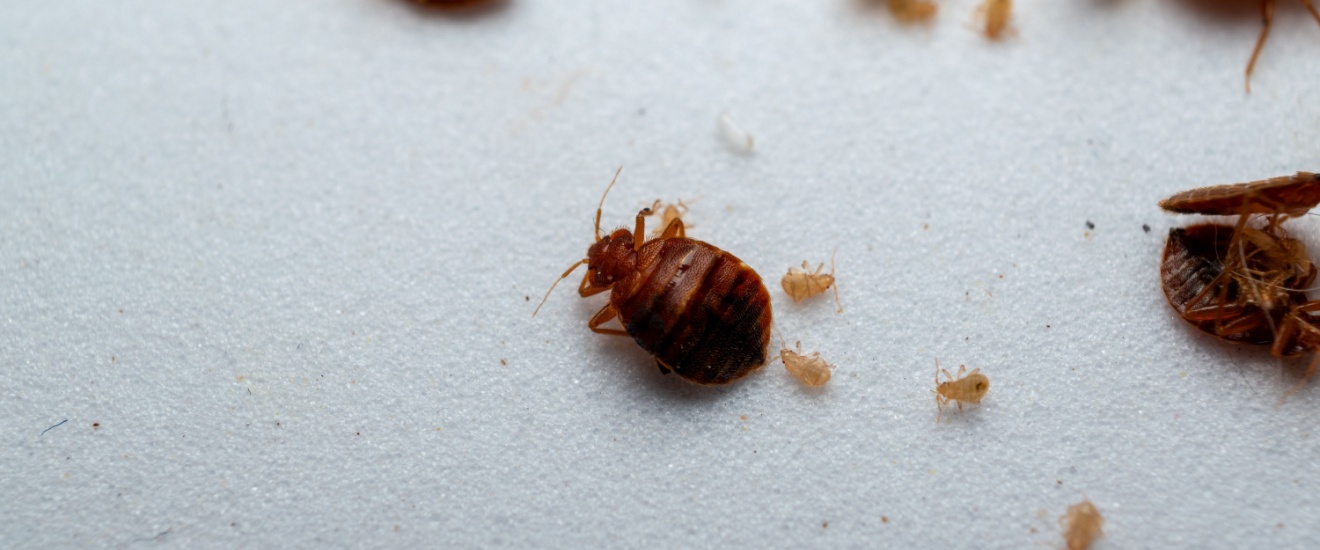
Confirming bed bug presence in your Fresno home requires systematic inspection and understanding of the specific evidence these pests leave behind. While suspecting bed bugs is unsettling, definitive identification allows you to take appropriate action and address the problem effectively.
Start With the Bedroom: Ground Zero for Infestations
Bed bugs concentrate in bedrooms because they feed on sleeping humans. Begin your inspection here, focusing on areas closest to where you sleep.
Mattress Inspection Protocol
Strip all bedding and examine your mattress systematically:
- Check every seam carefully, running your fingers along to feel for bugs hiding in folds
- Inspect piping around mattress edges where seams meet
- Examine care labels and tags—bed bugs often hide underneath
- Look at corner tufts where mattress buttons attach
- Check any rips, tears, or damaged areas
- Flip the mattress and repeat inspection on the underside
Look for live bugs, dark fecal spots, shed skins, or tiny pale eggs. Use a credit card or thin plastic tool to probe seams and expose hidden bed bugs.
Box Spring Investigation
Box springs provide even more hiding spots than mattresses:
- Remove the fabric dust cover on the underside completely if possible
- Inspect all wooden frame joints and staple lines
- Check fabric folds and corners thoroughly
- Look inside any tears in the fabric covering
- Examine the upper corners where box spring meets mattress
Bed bugs often establish heaviest concentrations in box springs before spreading elsewhere.
Bed Frame Examination
Inspect every part of your bed frame:
- Joints where frame pieces connect
- Screw holes and hardware
- Cracks in wood or metal
- Decorative elements and grooves
- Headboard attachment points to wall
- Underneath the frame on all surfaces
Wooden frames with multiple joints provide more hiding spots than simple metal frames, but both can harbor bed bugs.
Bedroom Furniture Near Sleeping Areas
Nightstands and Dressers
Furniture adjacent to beds commonly harbors bed bugs that spread from mattresses:
- Pull out all drawers completely and inspect undersides
- Check inside drawer joints and corners
- Look at the back panels and any gaps
- Inspect underneath the furniture where it meets the floor
- Check behind the furniture where it touches walls
Pay special attention to joints, cracks, and any loose veneer or particle board damage.
Upholstered Furniture
Chairs, sofas, or benches in bedrooms require careful inspection:
- Check under cushions and in crevices
- Inspect seams and piping on upholstery
- Look underneath furniture at fabric attachment points
- Examine wooden legs and frame joints
- Check any tears or damage in fabric
Wall-Adjacent Areas
Baseboards and Trim
Bed bugs hide behind and under baseboards:
- Inspect the top edge where baseboards meet walls
- Check any gaps or separation from the wall
- Look at corners where baseboards meet
- Examine behind crown molding if present
- Check inside any cracks or nail holes
Use a flashlight to illuminate these darker areas and a magnifying glass for close inspection.
Electrical Outlets and Switch Plates
These surprising hiding spots provide dark, protected spaces bed bugs favor:
- Remove outlet cover plates carefully (turn off power first)
- Inspect inside the outlet box with a flashlight
- Check the back of cover plates
- Look for bed bugs in screw holes
- Replace plates carefully
Bed bugs in electrical outlets indicate spreading infestations beyond sleeping areas.
Beyond the Bedroom
While bed bugs concentrate in sleeping areas, established infestations spread throughout homes.
Living Room Upholstery
Inspect sofas and recliners where people spend extended periods:
- Check between and under cushions
- Examine seams and pleats in fabric
- Look at the furniture undersides and legs
- Inspect recliner mechanisms and joints
- Check around zippers and buttons
Closets and Storage
Bed bugs hide in clothing and storage areas:
- Inside closet baseboards and corners
- On clothing hanging long-term
- Inside storage boxes and bins
- Behind hanging shoe organizers
- In folded linens and towels
Electronic Equipment
Bed bugs seek warm hiding spots in:
- Clock radios and alarm clocks on nightstands
- Laptop computers and tablets
- Television cable boxes
- Gaming consoles
- Phone charging stations
The warmth these devices generate attracts bed bugs seeking comfortable harborage.
Identifying Evidence vs. Live Bugs
Finding actual bed bugs confirms infestation, but evidence alone justifies professional inspection:
Fecal Spotting
Dark spots concentrated in hiding areas are bed bug waste. These spots:
- Look like tiny marker dots or ink stains
- Smear slightly when wiped with damp cloth
- Appear in groups rather than isolated
- Concentrate near seams, joints, and crevices
Shed Skins
Translucent casings bed bugs leave when molting:
- Look like hollow, empty bed bug shells
- Are light tan or transparent
- Accumulate near hiding spots
- Indicate active breeding populations
Eggs and Egg Shells
Tiny white eggs about the size of a pinhead:
- Appear in clusters glued to surfaces
- Are laid in protected hiding spots
- Hatch leaving tiny white egg shells
- Indicate breeding activity
Bite Patterns
While bites alone don’t confirm bed bugs, patterns suggest their presence:
- Multiple bites in lines or clusters
- New bites appearing regularly
- Bites on exposed skin while sleeping
- Reactions that persist and itch intensely
When DIY Inspection Isn’t Enough
Professional bed bug inspections find problems DIY efforts miss:
- Trained inspectors recognize evidence patterns
- They check locations homeowners overlook
- Experience allows accurate identification of look-alike insects
- Professional tools improve detection success
- Trained dogs may detect bed bugs homeowners miss entirely
If you suspect bed bugs but can’t find definitive proof, professional inspection provides confirmation or peace of mind.
What Confirmed Bed Bugs Mean
Discovering bed bugs is stressful but manageable. Modern treatment methods eliminate infestations effectively when properly applied by trained professionals. Early detection makes treatment easier, faster, and less expensive.
Don’t delay addressing confirmed or suspected bed bugs. These pests reproduce quickly, and infestations grow more challenging to eliminate as populations increase.
Fresno homeowners dealing with bed bug concerns need expert assistance. Contact Pestman Termite and Pest Control for professional bed bug inspection, accurate identification, and comprehensive treatment that eliminates bed bugs completely from your home.